Hero Image
Image

AGRICULTURE
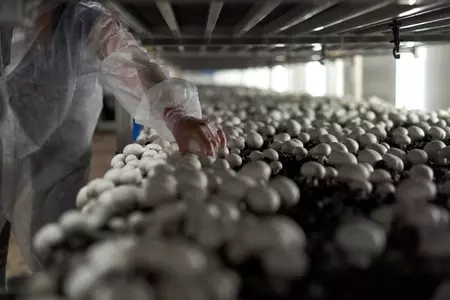
Gypsum, as a source of calcium and sulphur, is a natural solution used in a variety of applications; including as a fertiliser, a soil improver, a carrier for horticultural dressings, a mushroom composting ingredient, and in land reclamation after saltwater flooding.
When used as a fertiliser, it can help address widespread sulphur deficiency in crops and grasslands, by providing sulphate which is then made available to the plant.
As a source of calcium, it can enhance soil aggregation and porosity to improve water infiltration (ability of the soil to drain), which promotes deeper rooting with benefits to the crops. It is also used to reduce the amount of erosion and of nutrients leaving farm fields after crops.
BENEFITS
Natural solution with high purity and proven results
Provides a balanced supply of calcium and sulphur in one application
Suitable to be used in organic agriculture
Particle size distribution adapted to agricultural applications
Image
FERTILISER
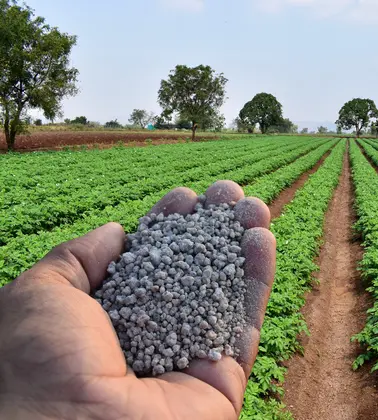
Calcium sulphate has been used as a fertiliser for over 250 years providing crops with the required levels of essential nutrients, improving overall plant growth.
Fertilisers may be needed in soil for a number of reasons, including incorrect crop rotation and specific nutrient requirements of crop or grass. They may be required due to the geological origin of the soil. For instance, every stage of crop and grass growth on UK lands suffers from significant sulphur and calcium deficiencies.
Calcium sulphate fertilisers provides a balanced supply of nutrients (as CaO and SO₃) and that are indispensable elements for the process of fertilisation.
Calcium sulphate anhydrite can also be used in fertilisers in its granule form.
Find out more
SOIL TREATMENT / CONDITIONING
The direct application of gypsum improves the structure of clay soils and is often used in gardens and sports fields.
Many of the soil issues relate to its structure, for example due to compaction, erosion and reduced permeability.
Gypsum flocculation action helps soil aeration and therefore with water penetration, in particular in compacted or heavy clay soils, which will in turn promote healthy root growth and therefore will improve crop yield. It also assures structural stability in arable land, reducing the amount of work required upon it, especially in damp terrain.
Image

Image
LAND RECLAMATION
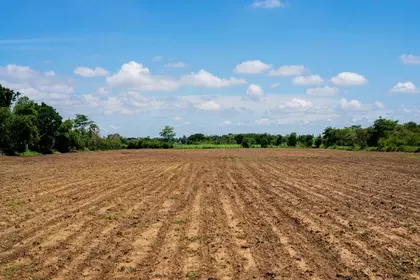
Land that has been flooded by sea water or tidal rivers can be improved by treatment with gypsum. It helps to displace sodium ions and replace them with calcium ions, thereby improves soil structure and enhances its fertility.
COMPOSTING
In general composting, gypsum provides a source of sulphur that can easily be assimilated by growing plants.
One particular area of application is the production of compost for mushroom growing. The flocculating action of the calcium sulphate helps the compost to maintain an open structure, preventing it from turning sour. It also provides a buffering effect that assists the compost in staying within a pH range of around six to eight. This ensures that chemically combined nitrogen levels are maintained.